Lilly 3D Looking: A Versatile Design Asset for Crafts and Nature-Themed Projects
As a graphic designer with years of experience working on branding, packaging, and digital content for small businesses and creative marketplaces, I often find myself vetting design assets to ensure they meet the standards required for professional use. Recently, I had the opportunity to review Lilly 3D Looking, a design that immediately caught my attention with its organic charm and dimensional appeal. This is not just another clipart or illustration — it’s a thoughtfully crafted asset that can elevate a range of creative projects, from product labels to social media graphics.
A Natural Fit for Handmade Businesses and Seasonal Campaigns
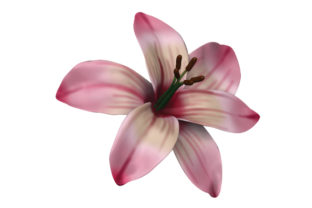
The first thing that stood out to me about Lilly 3D Looking was its natural aesthetic. The stylized lily appears almost lifelike in its depth and texture, which makes it ideal for brands in the Nature Amp category or those focused on botanical themes. Whether you're designing for a handmade soap business, an eco-conscious apparel line, or a seasonal floral campaign, this asset brings a sense of authenticity and visual warmth that resonates well with audiences seeking connection with nature.
The 3D effect gives the lily a tactile quality, making it feel like it could be plucked right off the page. This kind of detail is especially valuable when creating packaging designs or product mockups, where the goal is to evoke a premium, artisanal look. The style aligns well with modern design trends that favor minimalism with subtle textures and realistic elements — perfect for small business branding and creative marketplace sellers looking to stand out without overcomplicating their visuals.
Performance Across Multiple Project Types
I tested Lilly 3D Looking across several real-world applications to gauge its versatility and effectiveness. Here's how it performed:
- Logo Design & Brand Identity: While it may not serve as a standalone logo, it works beautifully as a supporting brand element. When integrated into a logo system, it adds character and reinforces a natural, handcrafted vibe.
- Product Labels & Packaging Design: Placed on a label for a homemade candle jar or a plant-based skincare bottle, the lily enhanced the overall visual trust and emotional appeal of the product. Its clean lines and transparent PNG format made it easy to layer over different textures and colors.
- Social Media Graphics: On Instagram posts and Pinterest pins, the lily served as a strong focal point, particularly when used as part of a hero graphic. It helped establish a cohesive theme and boosted audience engagement by adding visual interest.
- Editorial & Blog Visuals: As a decorative accent in blog headers or magazine spreads, it complemented photography and added a touch of elegance without overpowering the content.
- Cricut Projects & Sticker Designs: The SVG file format proved highly editable, allowing me to customize the size and color easily. It worked flawlessly on vinyl stickers and layered paper crafts, showing great adaptability for DIY enthusiasts.
- T-Shirt & Merchandise Design: In t-shirt mockups, the lily looked vibrant in both light and dark tones. However, I recommend using it as a primary graphic rather than blending it with too many other elements to maintain clarity and impact.
- Print-on-Demand Assets: The DXF and EPS formats are well-suited for sublimation printing and laser cutting, making it a solid choice for print-on-demand platforms like Etsy or Redbubble.
- Web Design & Canva Templates: Used in website headers and Canva templates, the lily brought a fresh, modern design edge. Its transparency allowed for seamless integration with background gradients and textures.
Best Use Cases and Design Considerations
Lilly 3D Looking shines in large layout areas where it can be scaled up to show off its fine details. It also excels as a hero graphic or decorative accent in themed collections, such as spring promotions or wellness campaigns. The 3D appearance adds a dynamic layer to otherwise flat compositions, helping to create a more immersive visual experience.
However, there are some scenarios where caution is necessary. In crowded layouts or minimalist branding, the complexity of the lily might clash with the intended simplicity. Similarly, when used at very small sizes, the intricate parts of the design (like petal edges and shading) can become less distinct. Always preview the asset at various scales to ensure legibility and clarity.
If your project involves low-contrast backgrounds or professional corporate materials, consider simplifying the asset or using it sparingly. The 3D effect and soft textures work best with earthy tones, pastels, or white space — environments where the design can breathe and maintain its visual hierarchy.
Readability, Hierarchy, and Brand Consistency
In terms of readability, Lilly 3D Looking doesn’t interfere with text unless placed too close. It functions more as a visual enhancer rather than a typographic component. When paired with a serif font or a script font, it creates a harmonious balance between elegance and approachability.
For brand consistency, I found that using the lily in multiple touchpoints — from product packaging to social media banners — reinforced a unified identity. Its presence created a subtle but noticeable visual recognition factor, which is key for building customer familiarity and trust.
Emotionally, the design evokes feelings of growth, purity, and renewal — all excellent for brands aiming to communicate sustainability, self-care, or organic living. The emotional appeal is further amplified by its high-quality rendering, which feels polished and intentional, even in digital form.
Technical Review for Commercial Use
Before integrating any design asset into a client project, it's essential to verify technical aspects. Here are some key points I checked with Lilly 3D Looking:
- SVG Editability: The vector format allows for easy scaling and customization. I adjusted the stroke width and converted it to monochrome for a black-and-white version, which worked surprisingly well.
- PNG Transparency: The transparent PNG maintained crisp edges and no visible halos, making it suitable for overlaying on images or complex backgrounds.
- DXF/EPS Compatibility: These formats were clean and scalable, which is crucial for merchandise production and precision-based crafts.
- Commercial License: I confirmed that the asset comes with a commercial license, which is vital for anyone planning to use it in print-on-demand products or branded materials.
- Print Quality Test: Printed on a mockup, the lily retained its detail and vibrancy, proving it’s a reliable asset for physical products.
- Contrast Testing: The design held up well against both light and dark backgrounds, though slight adjustments in color saturation improved visibility on darker substrates.
- Size Preview: At 50% scale, the design still looked good but lost some of its 3D depth. For maximum impact, keep it above 75% scale in most print and digital applications.
Comparisons with Other Font Styles
To understand how Lilly 3D Looking fits into a broader design context, I compared it with various typefaces in a sample poster layout:
- Sans Serif Fonts: Clean and modern, these fonts paired well with the lily’s organic feel, creating a balanced contrast.
- Handwritten Fonts: The lily blended naturally with casual, expressive scripts, reinforcing the handmade business vibe.
- Display Fonts: Bold, stylized typefaces didn’t overshadow the lily; instead, they provided a strong visual anchor while the lily added softness and thematic relevance.
This flexibility is a major plus for designers who need to maintain a cohesive look across multiple channels and product types.
Final Thoughts on Professional Application
After thorough testing, I’m confident that Lilly 3D Looking is a valuable addition to any designer’s toolkit, especially those working with Nature Amp themes or crafts-oriented clients. It brings a level of polish and professionalism that elevates the final output, whether you're crafting marketing visuals for a boutique product line or designing printable wall art for an online store.
Its ability to enhance visual hierarchy and support emotional storytelling makes it a standout in today’s competitive design landscape. Just remember to test it in different contexts — from Cricut projects to digital ads — to ensure it meets the needs of each specific application.
Ultimately, Lilly 3D Looking is more than just an attractive illustration. It’s a design asset that communicates intentionality, quality, and a deep understanding of what appeals to today’s conscious consumers. If you’re looking to add a touch of nature to your next creative project, this one is worth considering.