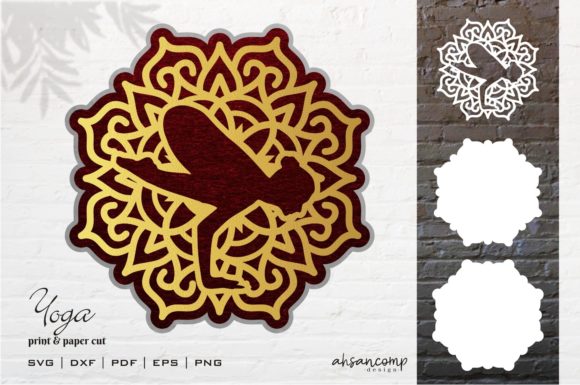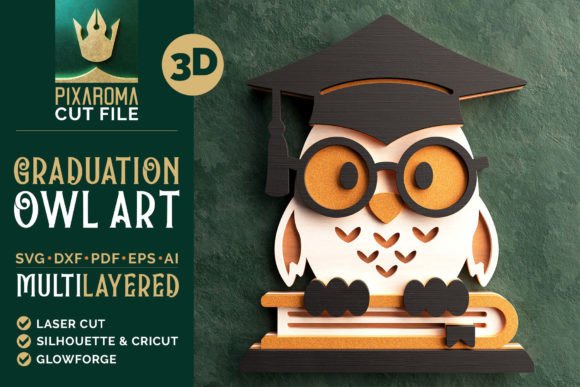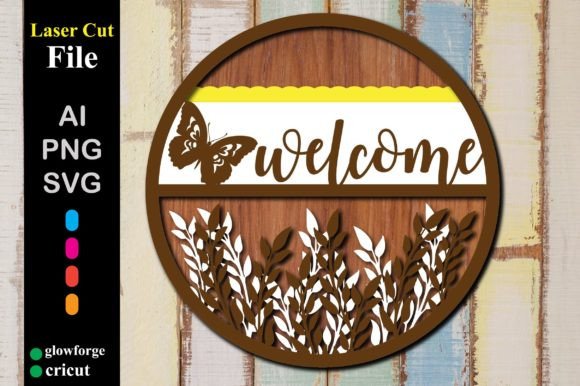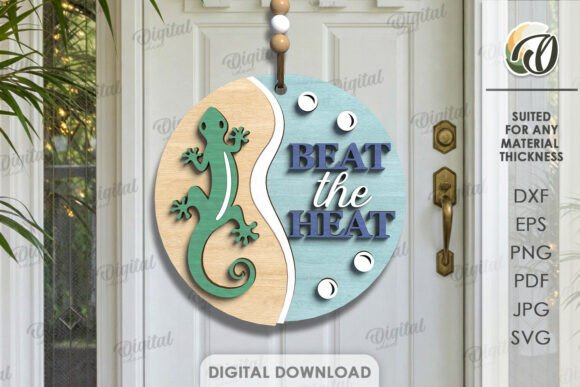
3D Layered Yoga Cut File for Laser Cutting Signs
As a seasoned brand designer and content marketer, I always look for graphic design assets that elevate the visual language of a brand while staying true to its identity. The 3D Layered Yoga Cut File caught my attention not just because it’s a digital asset tailored for laser cutting, but because of its clean, modern aesthetic and how it aligns with lifestyle and wellness branding.
A Fresh First Impression: Calm Meets Creativity
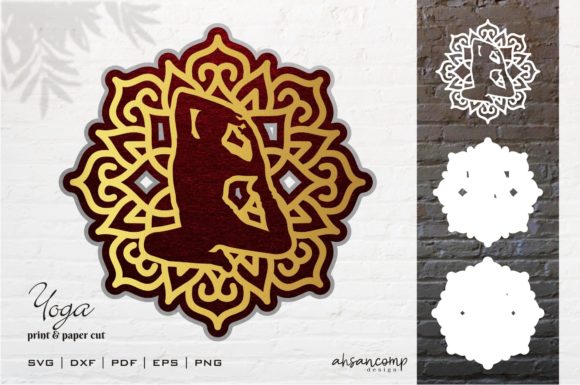
The moment I unzipped the digital download, I was struck by the sophistication of the yoga-themed layers. This isn’t your typical clipart or illustration — it’s a professionally crafted SVG design that feels both artistic and approachable. It conveys a sense of mindfulness, balance, and simplicity, making it ideal for brands in the health, fitness, and wellness industries.
The emotional tone is peaceful yet purposeful, which makes it especially suitable for social media graphics, editorial layouts, and event promotions. It doesn’t scream for attention like flashy vector art might; instead, it invites the viewer in with subtle elegance. That kind of vibe can help build an emotional connection with audiences who value authenticity and intentionality in their experiences.
Practical Use in Brand Communication
Incorporating the 3D Layered Yoga Cut File into a real marketing project has been surprisingly seamless. I recently worked on a launch campaign for a small yoga studio promoting their first online retreat. They needed consistent visuals across multiple platforms — from Instagram posts to email banners and even packaging inserts for physical gift cards.
- Social Media Graphics: The layered cut file became the central motif for all their Instagram stories and Pinterest pins. It added a tactile, dimensional feel that stood out among flat images.
- Email Banners: We used a simplified version of the design as a header for the campaign emails. Its structure allowed us to maintain visual hierarchy without overwhelming the reader.
- Packaging Accents: For branded merchandise like stickers and printed materials, the cut file provided a unique texture when applied to paper or wood through laser cutting.
Its versatility is one of the strongest points. Whether we were creating a Canva template for blog headers or designing a promotional banner for Facebook ads, the yoga cut file adapted well across different formats and sizes. As long as we respected the spacing and scale, it retained its clarity and impact.
Supporting Stronger Campaign Visuals
One of the main goals in any branding project is to create a stronger first impression. The 3D Layered Yoga Cut File does exactly that. Its intricate layering gives depth to otherwise flat designs, helping them pop visually without becoming cluttered. This is particularly effective in hero graphics and product launch visuals, where you want something memorable but not distracting.
For visual hierarchy, the file works best when placed strategically in the layout. I found that using it behind key text elements created a sense of movement and focus, guiding the eye naturally toward the message. When used as part of a design bundle, it helps unify a brand's creative output — think about pairing it with complementary SVG designs or PNG illustrations to build a cohesive theme.
From a brand recognition standpoint, the yoga motif is instantly identifiable. For niche markets like wellness, self-care, or holistic living, this kind of imagery builds trust quickly. People associate yoga with calm, discipline, and mindfulness — all powerful emotional triggers that can support a campaign’s core message.
Where This Design Asset Shines Brightest
Here are some of the most effective use cases I’ve tested for the 3D Layered Yoga Cut File:
- Branded Templates: Ideal for Canva templates, especially those targeting bloggers or content creators in the wellness space. The design adds a professional touch to printable content kits.
- Merchandise & Stickers: Perfect for creating custom stickers or branded merchandise. The laser-cut nature allows for high-quality production, especially on acrylic signs or wooden plaques.
- Editorial Layouts: Used subtly in blog graphics and website headers, the cut file helped differentiate the site from competitors by reinforcing the brand’s commitment to mindful design.
- Digital Ads: In Facebook and Google campaigns, the design supported lifestyle-driven messaging by adding a layer of authenticity and creativity to ad visuals.
I also found it useful in event flyers and posters. The layered effect gave the print materials a premium look, especially when paired with natural textures like linen paper or matte finishes. It’s clear why this creative design is categorized under Signs and Laser Cutting — it’s built for tangible and digital applications alike.
Cautions and Considerations for Real-World Use
While the 3D Layered Yoga Cut File is a strong addition to many projects, there are a few areas where it should be used carefully:
- Formal Corporate Branding: The playful, organic nature of the design may clash with more structured or traditional brand identities.
- Dense Information Layouts: If you're working on infographics or data-heavy presentations, the cut file could compete with the content rather than complement it.
- Small Mobile Graphics: Due to its detailed structure, the design needs enough space to breathe. At smaller sizes, some of the fine lines may become unclear.
- Low-Contrast Backgrounds: The subtlety of the design means it can get lost if not placed over a background that offers sufficient contrast.
Additionally, for brands leaning into minimalism, this file might introduce too much visual noise. It’s important to test how it pairs with your existing font styles — whether they’re serif, sans serif, script, handwritten, or display fonts. In our project, a clean sans serif worked best, maintaining readability and balancing the design’s complexity.
Brand Designer Tips for Using the 3D Layered Yoga Cut File
To ensure the graphic design asset performs at its best, here are some practical steps I recommend:
- Test with Your Color Palette: Import the file into your preferred design software and see how it looks in your brand colors. Adjust opacity or layer order to achieve harmony.
- Check Black and White Usage: Since many print and digital platforms convert to grayscale, verify that the file still reads clearly without color.
- Place in Real Campaign Mockups: Before finalizing, overlay the cut file onto actual mockups of social media posts, web pages, or signage to assess context and fit.
- Preview on Mobile Screens: Test responsiveness — will the design hold up on a phone? Will the details still matter?
- Review Readability in Small Sizes: Zoom in and reduce the file size to see if it maintains clarity and impact.
- Confirm Commercial Licensing: Always double-check the licensing terms before using the file in paid campaigns or client work. A proper commercial license ensures legal compliance and peace of mind.
Why This Is a Must-Have for Content Creators
For content creators, small business owners, and online coaches, having access to a professional branding tool like the 3D Layered Yoga Cut File can streamline your workflow. It eliminates the need for hiring a designer for every new piece of content, allowing you to produce printable designs and marketing visuals that feel polished and intentional.
It’s also a great fit for lead magnets and media kits, especially for creators offering digital products related to mindfulness, meditation, or holistic living. Adding this kind of visual element can enhance the perceived value of your offerings and make them more attractive in a creative marketplace.
Final Thoughts: A Thoughtful Addition to Modern Branding
The 3D Layered Yoga Cut File is a standout digital product for anyone looking to add depth and character to their brand identity without sacrificing professionalism. Whether you're refreshing your social media covers, building a content kit, or designing packaging accents, this file offers a level of detail and adaptability that few others do.
It supports stronger engagement by grounding abstract concepts in tangible, relatable visuals. And for marketers and designers who understand the power of visual consistency, this asset is a valuable part of a larger toolkit. Just remember to consider context, audience, and platform limitations to ensure it enhances rather than overwhelms your message.