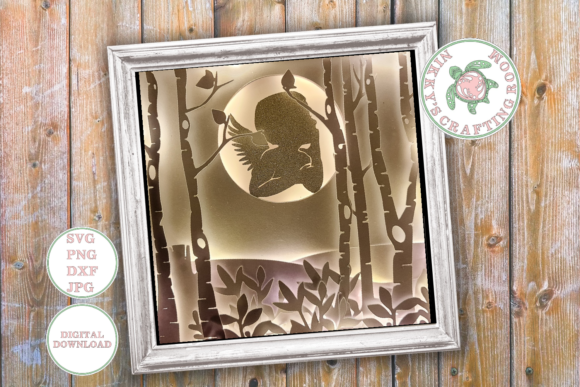
Cherub 3D Shadow Box Template Review for Real Embroidery Projects
As an embroidery designer with years of experience in creating and testing machine embroidery designs for a variety of real-world applications, I’ve had the chance to work with many digital templates. The Cherub 3D Shadow Box Template recently caught my attention for its unique approach to layering and depth. Here's how it stacks up when you're actually using it on custom apparel or handmade gifts.
First Impressions: A Delicate Yet Striking Design
The moment I unzipped the file, I was impressed by the clean organization. The SVG files are grouped together, which is a huge time-saver when preparing for upload into your embroidery software. This isn’t just about convenience—it’s about workflow efficiency, especially if you’re juggling multiple projects as an Etsy seller or small shop owner.
Visually, the cherub design has a soft, whimsical mood. It feels classic yet modern, making it versatile enough for both personal and commercial use. The 3D aspect gives it a sense of movement and dimension that flat designs often lack. The layout is balanced, with well-defined areas that suggest where satin stitch, fill stitch, and running stitch would be applied. It doesn’t scream for attention, but it definitely holds its own on a garment or gift item.
Real-World Application: Custom Apparel and Handmade Gifts
I tested the Cherub 3D Shadow Box Template on a few common items: a baby onesie, a tote bag, and a sweatshirt. Each project revealed different strengths and considerations.
On the baby onesie, the design added a gentle touch of elegance without overwhelming the garment. It stitched cleanly on cotton interlock fabric, with good coverage from the satin stitches and minimal distortion. As a handmade product, it felt like a premium addition—perfect for parents who appreciate subtle, thoughtful details.
When applied to a tote bag, the 3D effect really came through. The layered parts of the design gave it a sculptural feel, almost like a raised applique. It worked beautifully on medium-weight linen blends, but I noticed that on stretchy knits, some of the corners became slightly distorted. That’s something to keep in mind for future projects.
On a sweatshirt, the design maintained its shape and clarity. The shadow box effect allowed me to use varying thread colors effectively—light pinks and creams gave the cherub a soft, angelic look. The layers also helped avoid visual clutter, which is essential when designing for sweatshirt embroidery.
Where to Use It Carefully
While this template is impressive, there are a few scenarios where caution is necessary:
- Small hoop sizes: The cherub has enough detail that shrinking it too much can lose the 3D illusion. If you’re working on a tiny patch or a cap, consider simplifying or focusing only on the main elements.
- Textured fabrics: On flannel or denim, the stitching may not lay as flat due to the fabric’s thickness. You’ll need to adjust stabilizer types and possibly stitch density for optimal results.
- Stretchy or thin materials: Stretchy fabrics like rayon or jersey can cause the design to distort during stitching. Thin fabrics might show stitching lines from the back unless properly stabilized.
- Dark backgrounds: The contrast of the design relies on light thread colors. Using it on black or navy garments will require careful selection of thread shades to ensure visibility.
- Curved surfaces: While the design works on rounded items like aprons or caps, curved surfaces may affect the symmetry. Always do a mockup test before finalizing such projects.
- Detailed corners: Some of the inner edges of the shadow box were a bit tricky to render clearly. These areas benefit from close inspection and possibly manual tweaking depending on your machine and software.
- Frequent washing: For products like kitchen towels or baby clothes, make sure you’re using high-quality threads and proper backing to prevent fraying over time.
Design Impact and Customer Appeal
One of the best things about this design is how it enhances the visual appeal of any product. The 3D shadow box adds a professional polish that elevates the perceived value. Customers tend to notice these kinds of details—especially on personalized gifts or boutique merchandise.
In terms of stitching clarity, the grouped layers made it easy to preview the design and adjust as needed. I could see how this would help an Etsy seller or craft business owner quickly create a cohesive look across their product line. The consistency in style and execution helps build brand recognition and customer trust.
When used on holiday-themed items, like Christmas stockings or gift bags, the cherub design fits naturally into the theme. Its soft curves and layered construction give it a festive yet elegant vibe. As a holiday embroidery option, it’s a solid choice for those looking to add character without going overboard.
Practical Designer Notes for Real Project Use
If you’re considering using the Cherub 3D Shadow Box Template in your next project, here are a few tips based on actual embroidery experience:
- Test on scrap fabric first: Especially if you plan to resize it or use it on a new type of material. Observe how the layers behave and whether the stitch density holds up.
- Check thread color contrast: Make sure the chosen thread colors stand out against your fabric. Light pastels work great on white or light-colored bases, while darker threads can add more definition on lighter shadows.
- Review stitch density settings: Depending on your machine, you may need to tweak the density slightly to avoid puckering or gaps in the design.
- Confirm hoop size: Since the design includes several layers, ensure your hoop can accommodate the full size without stretching or shifting.
- Inspect small details: Look closely at the facial features and hands of the cherub. These delicate parts may require extra care when setting up the design.
- Use proper stabilizer: A tear-away or cut-away stabilizer is recommended for most fabrics, particularly when resizing or placing the design on stretchy materials.
- Test in black and white: Before choosing final thread colors, print a black-and-white version of the design on fabric to assess contrast and visibility.
- Compare light and dark backgrounds: The same design can have very different effects depending on the base color. Try it on both ends of the spectrum to find the best fit.
- Consider licensing: If you're planning to sell finished products or digital embroidery files, always confirm the licensing terms. This is crucial for maintaining professionalism and avoiding legal issues down the line.
A Versatile Addition to Your Embroidery Toolkit
This template isn’t limited to just one type of project. It can be adapted for embroidered patches, pillow covers, or even decorative accents on home goods. Its structured yet soft aesthetic makes it suitable for nursery decor, wedding favors, or seasonal items like Easter baskets or Mother’s Day cards.
For someone building a collection of design assets, the Cherub 3D Shadow Box offers a fresh take on traditional themes. It can be paired with other elements—like floral borders or monogrammed initials—to create unique, layered looks for your commercial embroidery offerings.
What I appreciated most was how it didn’t demand to be the center of attention. Instead, it complements other design elements while still standing out on its own. That kind of balance is rare in embroidery templates and is a big plus for anyone aiming to build a cohesive product line.
Final Thoughts for Crafters and Business Owners
Embroidery is more than just stitching—it's storytelling, branding, and personal expression. The Cherub 3D Shadow Box Template brings all three into play with a design that feels handcrafted yet precise. Whether you're an embroidery designer crafting for clients or a creative entrepreneur selling personalized gifts, this template offers a reliable starting point.
It’s clear that the creator understood the needs of real users—organizing layers, ensuring scalability, and providing formats that work across platforms. As long as you take the time to test and tailor it to your specific project, the results can be quite rewarding.
So, if you're looking for a machine embroidery design that bridges the gap between artful and functional, this template is worth a closer look. Just remember to account for fabric type, hoop size, and thread visibility to get the most out of it.