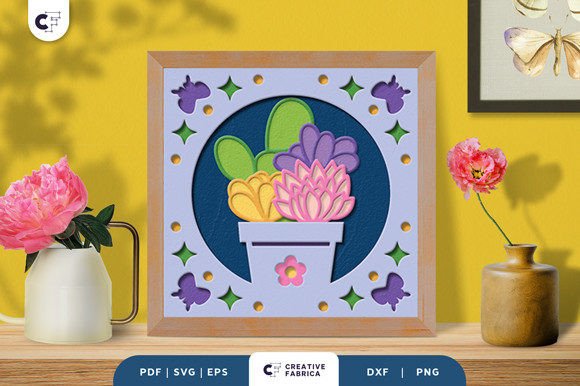
Potted Succulent 3D SVG for Cacti and Succulents Content
First Impressions: A Visual Treat for Plant Lovers
As an experienced blog designer and digital publisher, I always look for design assets that elevate content without overwhelming it. When I first opened the Potted Succulent 3D Light Box SVG, I was immediately drawn to its soft lighting and lifelike textures. The layered detail of the succulent plants gives a sense of depth that’s rare in flat vector designs. This is not just a graphic—it's a visual anchor that can bring warmth and natural charm to your editorial layout.Real-World Publishing Applications
This 3D SVG has broad utility across various platforms and formats. Here are some practical use cases where it shines:- Blog Featured Images: Pairing the Potted Succulent 3D Light Box SVG with a headline like "5 Easy-to-Care-for Indoor Plants" instantly adds credibility and appeal.
- Pinterest Graphics: The vibrant colors and 3D feel make it highly clickable on Pinterest boards focused on home décor, plant care tips, or DIY projects.
- Newsletter Headers: Use it as a header for your monthly newsletter featuring seasonal planting guides or botanical trends.
- Editorial Layouts: It works well as a sidebar accent in longer articles about cactus care, desert gardens, or sustainable living.
- Digital Guides & Lead Magnets: The SVG enhances downloadable resources such as printable plant care checklists or beginner’s guides to succulent propagation.
- Website Banners: Incorporate it into category thumbnails for blogs covering houseplants, interior design, or eco-friendly lifestyles.
- Canva Templates: Ideal for social media posts, Instagram stories, or Facebook banners targeting plant lovers.
Boosting Content Performance Through Design
One of the key reasons to consider using the Potted Succulent 3D Light Box SVG is how it enhances content performance across multiple channels. Let’s break down the impact:- Stronger First Impression: Readers often judge a post by its image. The 3D effect and soft glow of this SVG create a memorable visual hook.
- Clearer Visual Hierarchy: Placing the succulent graphic behind a bold headline or beside a call-to-action button helps direct attention naturally.
- Better Click-Through Potential: On platforms like Pinterest and Instagram, images with depth and color tend to perform better. This SVG brings both elements together.
- Consistent Branding: If your blog or website leans into a natural, modern aesthetic, this design reinforces that theme across all content types.
- Improved Reader Trust: High-quality, stylized graphics signal professionalism. Using them consistently builds trust in your brand’s visual communication.
- Enhanced Category Recognition: When used in headers or thumbnails, the potted succulent motif quickly identifies sections related to plants and green living.
- Stronger Visual Identity: Over time, recurring use of this SVG helps establish a unique style for your content—something essential in competitive niches like lifestyle and home improvement.
Where This Asset Truly Shines
- Hero Images: Use it subtly in the background of your landing pages to evoke a calm, nurturing vibe.
- Article Thumbnails: The intricate details remain visible even when scaled down, making it ideal for thumbnail galleries.
- Social Media Previews: Especially useful for platforms where preview images are displayed—like LinkedIn articles or Twitter threads about plant care.
- Content Upgrades: Add it to opt-in forms offering free printables or digital guides related to cacti and succulents.
- Printable Resources: From worksheets to digital downloads, the SVG adds a polished finish that users will associate with quality.
- Category Visuals: Feature it in section headers for topics like “Indoor Plants” or “Low-Maintenance Gardening.”
- Lead Magnet Banners: Combine it with a script font for a stylish, approachable look that appeals to hobbyists and beginners alike.
Use with Caution: Avoiding Visual Clashes
- Small Mobile Thumbnails: The intricate 3D elements may get lost in resolution if not optimized for smaller screens.
- Text-Heavy Blog Images: Too much visual detail can distract from the headline or body text in dense layouts.
- Low-Contrast Backgrounds: Since the light box effect is subtle, using it on pale or muted backgrounds might reduce visibility.
- BUSY Layouts: In grids or carousels with many elements, the SVG might blend in rather than stand out.
- Corporate or Minimalist Niches: While it’s modern in style, the artistic flair might not suit ultra-minimalist or serious business websites.
Publisher Notes: Optimizing for Real Projects
Test Across Devices: Make sure it looks great on both desktop and mobile. Zoom in on thumbnails to see if the details hold up.
Experiment with Text Styles: Try pairing it with different fonts—serif for a classic look, sans serif for clean readability, or a script/handwritten font for a personal, artisanal feel.
Check Contrast and Readability: Ensure that headlines and buttons placed over the SVG maintain legibility. You may need to add overlays or adjust transparency settings.
Consider Black-and-White Versions: Some platforms automatically convert images to grayscale. Test how the design holds up in monochrome to preserve its shape and structure.
Optimize File Size: Compress the SVG file properly without sacrificing quality. Large files can slow down web performance, especially on high-traffic sites.
Confirm Commercial Licensing: Before using it in monetized contexts like affiliate marketing or paid digital products, verify that the commercial license allows for such usage. Many creative marketplaces offer clear licensing terms.