3D Butterfly SVG Review: A Design Worth Stitching Into Your Projects
As an experienced embroidery designer and product reviewer, I’ve seen countless digital files come and go. Some are flashy but impractical, while others offer just the right balance of artistry and functionality. When I first opened the 3D Butterfly SVG, I was immediately drawn to its elegant shape and dimensional feel. It’s not your typical flat butterfly—it has a subtle depth that makes it stand out without overwhelming the fabric. This kind of design can bring life to a wide range of projects, especially when used with intention.
First Impressions and Visual Personality
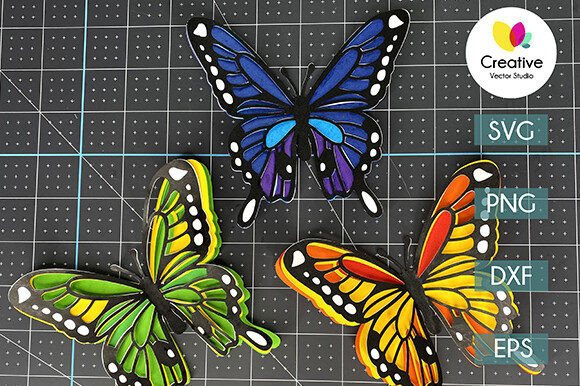
The 3D Butterfly SVG carries a whimsical yet sophisticated vibe. The wings have a layered effect that mimics the natural contours of real butterflies, making it feel like it could flutter off the fabric at any moment. The level of detail is impressive for an animal-themed design; it manages to be intricate without being overly complex. That’s a big plus for anyone working on handmade products or personalized gifts where visual appeal matters.
I see this design fitting well into projects such as nursery decor, custom sweatshirts, or even embroidered patches. Its gentle curves and soft lines give it a timeless quality that complements both minimalist and ornate styles. If you're looking for something that feels a bit magical but still grounded in good craftsmanship, this might just be your next go-to file.
Real-World Application: Custom Tote Bag Embroidery
To test the practicality of 3D Butterfly SVG, I decided to stitch it onto a cotton canvas tote bag—a common project for Etsy sellers and small shop owners. The design scaled nicely to fit within a 6x10 inch hoop, which is standard for many tote bag embroidery setups. After stitching, the butterfly appeared bold and lifelike, with each wing clearly defined by varying stitch densities and color layers.
One thing I noticed is how the design interacts with the fabric texture. On cotton canvas, the satin stitches held up well, giving a smooth finish. But if you were to use it on a stretchy or thin material, like rayon or silk, you'd need to adjust stabilizer settings to prevent distortion. For handmade product creators, this means testing the design on scrap fabric before committing to the final piece—especially if you’re planning to sell it as part of your craft business.
Stitch Clarity and Fabric Considerations
Embroidery success often hinges on how cleanly a design translates from screen to fabric. The 3D Butterfly SVG performed admirably here. Each layer of the butterfly maintained its integrity, and the transitions between fill stitch and satin stitch didn’t create visible gaps or puckering. However, if you plan to embroider it on dark-colored fabric, you’ll want to choose thread colors that provide enough contrast. Otherwise, the design can get lost in the background.
Also worth noting is the stitch density. While the design isn't too dense for most machines, it does require careful review. Overly tight stitch spacing on delicate fabrics may cause damage, so I recommend adjusting based on the specific fabric you’re using. For commercial embroidery purposes, this flexibility is essential. You want your design assets to work across a variety of materials and customer preferences.
Where to Use Carefully
- Small hoop sizes: The butterfly’s wingspan may be too large for smaller hoops. Check the exact dimensions before starting.
- Textured or stretchy fabrics: These can affect the symmetry of the design. Additional stabilizer and possibly a lower stitch density will help.
- Dark or patterned backgrounds: Thread color choice becomes critical. Test on similar fabric to ensure visibility.
- Curved surfaces: When applying the design to caps or curved garments, make sure the layout adapts well to the shape.
- Products needing frequent washing: Especially important for baby clothes or kitchen towels. Confirm that the design holds up over time and doesn’t fade or pucker easily.
Customer Reactions and Giftability
In my experience, customers respond positively to designs that look thoughtful and professional. The 3D Butterfly SVG adds a touch of elegance and charm, which makes it ideal for personalized gifts or boutique-style items. Whether it's a holiday gift embroidered on a pillow cover or a custom apparel piece for a child’s birthday party, this design elevates the overall presentation.
Its visual personality also aligns well with themes like springtime, renewal, and nature. This makes it a great fit for seasonal collections or nursery art projects. As an Etsy seller, I’d consider using this design for limited-run items or as a featured element in printable mockups for digital product previews. The added dimension helps your listings stand out among competitors.
Design Notes for Embroidery Success
- Test on scrap fabric first: Always do a trial run to assess how the design behaves with your machine, thread, and chosen material.
- Check thread color contrast: Especially crucial for dark or busy backgrounds. Don’t assume what looks good on screen will translate perfectly to fabric.
- Review stitch density: Adjust according to fabric type. Dense areas may need thinning slightly to avoid stiffness or puckering.
- Confirm hoop size: If you don’t know the exact dimensions of the machine embroidery design, measure or calculate them before loading into your software.
- Inspect small details: Look for tiny elements like antennae or wing edges. These can become distorted if not properly stabilized or adjusted.
- Use proper stabilizer: Backing material can make or break the outcome, particularly on stretchy or lightweight textiles.
- Test in black and white: Sometimes, color can mask flaws. Seeing the design in grayscale helps identify areas that might need refinement.
- Compare light and dark fabric backgrounds: Make sure the design remains clear and visually appealing regardless of the base color.
- Confirm licensing before selling: Always verify whether the digital embroidery file allows commercial use. This protects your craft business from legal issues later on.
Adding Value to Your Handmade Products
When selecting a design for a finished product, you’re not just choosing aesthetics—you’re investing in brand consistency and customer trust. The 3D Butterfly SVG has a clean, recognizable form that works across multiple formats. Whether stitched on a tote bag design or integrated into a line of holiday embroidery items, it brings a sense of professionalism that hobbyists and seasoned makers alike appreciate.
This design also enhances buyer engagement. People are more likely to take notice of a product that features a unique, dimensional motif. For small shop product lines, having standout embroidery project pieces can mean the difference between a sale and a scroll past. And when it comes to personalized gifts, a well-executed butterfly can speak volumes about the care and attention put into the item.
Final Thoughts for Makers and Merchants
After thoroughly testing the 3D Butterfly SVG in several real-world scenarios, I’m confident it’s a versatile and visually appealing option for many embroidery applications. From custom apparel to decorative accents, it offers a fresh take on a classic theme. Just remember to adapt its settings to your specific needs and always prioritize quality control.
For those running a craft business or managing an online store, this design could be a valuable addition to your collection. It’s suitable for both personal and commercial use (once licensing is confirmed), and it fits naturally into categories like wall art, cards, invitations, and more. The key is knowing when and how to use it effectively to maintain its impact and longevity.
If you’re considering adding this design to your portfolio or next project, I suggest taking the time to explore its potential. With the right preparation and execution, the 3D Butterfly SVG can become a signature element in your creative offerings, helping you build recognition and trust with your audience.