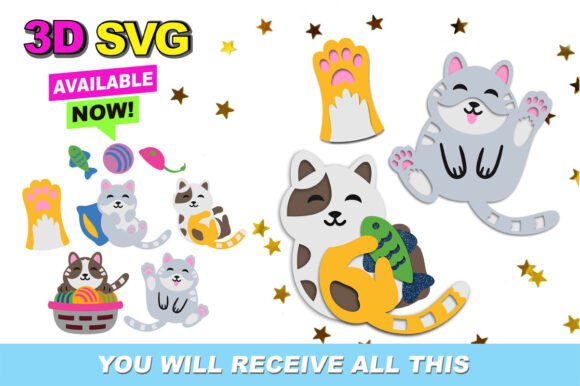
Fat Persian Cat DIY 3D Papercraft: A Unique Graphic Design Asset for Local Business Branding
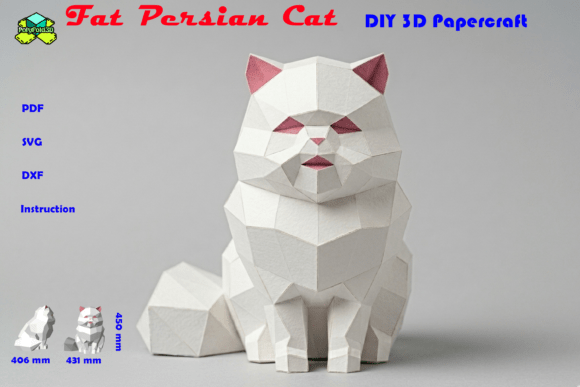
As an experienced brand designer working with small businesses, I’m always on the lookout for design assets that can elevate a brand’s visual presence without overwhelming it. When I first encountered the Fat Persian Cat DIY 3D Papercraft, its geometric charm and creative potential immediately caught my eye. This is not just another animal illustration; it’s a versatile 3D SVG graphic design asset that brings personality and playfulness to branding, packaging, and promotional materials. Whether you’re launching a new handmade product line or refreshing your boutique store visuals, this papercraft could be a valuable addition to your toolkit.
A Friendly and Playful Brand Personality in One Design
The Fat Persian Cat DIY 3D Papercraft exudes a whimsical yet sophisticated vibe. Its low-poly style gives it a modern edge, while the rounded, plump form of the cat adds warmth and approachability. This combination makes it ideal for brands aiming to communicate a sense of fun and creativity — especially those in the handmade, artisanal, or lifestyle sectors. The design feels both handmade and professionally crafted, suggesting a brand that values quality and craftsmanship but isn’t afraid to embrace playful aesthetics.
For local businesses like coffee shops, boutique stores, or seasonal product campaigns, this kind of imagery can help build a stronger emotional connection with customers. It doesn’t scream “corporate,” which means it fits well with independent and community-focused brands. However, it may not align with formal or luxury minimalist identities due to its inherently decorative nature.
Real-World Applications for Small Business Branding
This 3D SVG graphic design asset is more than just an illustration — it’s a multi-use element that can support various aspects of a business’s visual identity. Here are some practical applications based on real local business projects:
- Product Labels: Use the cat as a hero graphic on labels for handmade soaps, candles, or baked goods. It can subtly reinforce the idea of comfort and indulgence, especially if your products are meant to be cozy or nostalgic.
- Packaging Accents: Add it as a repeating pattern or accent on gift boxes, paper bags, or tins. Its geometric style allows it to scale beautifully, making it suitable for both large-format packaging and smaller items.
- Social Media Graphics: Incorporate it into Instagram posts, Facebook banners, or Pinterest pins to give your online presence a cohesive look. Pair it with soft pastel tones or earthy palettes depending on your brand mood.
- Printable Inserts: Print the template inside packaging inserts or hang tags to encourage customers to create their own paper sculptures at home. This kind of interactive element is perfect for building brand engagement and loyalty.
- Seasonal Campaigns: During holidays or special events, the cat can be adapted with color variations or layered elements (like hats or bows) to reflect festive themes without losing its core charm.
Supporting Better Visual Hierarchy and Brand Recognition
In small business branding, consistency is key. Using the Fat Persian Cat DIY 3D Papercraft across multiple touchpoints — from packaging to social media — helps establish a recognizable visual motif. The cat’s bold shape and stylized features make it easy to spot, even at a glance, supporting better product recognition on crowded shelves or in digital feeds.
When used correctly, the design can guide the viewer’s eye toward important information like pricing, ingredients, or call-to-action buttons. Its geometric structure also allows for clear layering in visual hierarchy, ensuring it complements rather than competes with other design elements.
Design Tips for Effective Brand Presentation
Here are some actionable insights for using the Fat Persian Cat DIY 3D Papercraft effectively in your next project:
- Test It on Real Packaging Mockups: Before finalizing any print work, preview the design on mockups of your actual packaging to see how it looks in context.
- Check Black and White Usage: Ensure the cat remains visually strong when printed in grayscale, especially if your brand uses monochrome schemes or needs to comply with certain printing standards.
- Preview on Small Labels: While the design is scalable, test it on smaller formats like jar labels or stickers to ensure legibility and impact aren’t lost.
- Experiment With Brand Colors: Try overlaying the cat with your brand’s color palette to see how it affects the overall tone and feel of the design.
- Compare With Competitor Packaging: See how the asset stacks up against similar designs in your niche. Does it stand out enough? Is it appropriate for your target audience?
- Review PNG Transparency: If you plan to use the design digitally, check how it looks with transparent backgrounds. This is especially important for website banners or social media overlays.
- Inspect SVG Editability: As a 3D SVG file, the asset should allow for customization. Check whether you can easily modify paths, colors, or layers to match your specific needs.
- Test Font Pairings: See how the cat interacts with different typography styles — whether beside a serif font for elegance or a sans-serif for clean readability.
- Confirm Commercial Licensing: Always verify the licensing terms before using the asset for client work, product sales, or branded materials. Some design marketplaces offer commercial licenses, others do not.
Where This Design Shines Brightest
The Fat Persian Cat DIY 3D Papercraft works particularly well in these areas:
- Hero Graphics: Place it front and center on product boxes or website headers to draw attention and set the tone for your brand.
- Boutique Store Visuals: It fits naturally into the aesthetic of a curated retail environment, especially when paired with natural textures and muted colors.
- Editorial Design: Feature it in newsletters, blog headers, or printable guides to add a decorative touch without cluttering the layout.
- Printable Product Mockups: Include it in digital mockup templates for clients who want to visualize their product in action before committing to print.
- Thank-You Cards & Stickers: Use it in appreciation cards or branded stickers to give customers something memorable and tactile.
Use With Caution: Where It Might Not Fit
While this design asset has many strengths, there are situations where it might not be the best choice:
- Formal Corporate Branding: Its playful style is better suited to lifestyle, craft, or food-related businesses than to law firms or financial services.
- Crowded Layouts: Avoid placing it in overly busy designs where it might get lost among text or other graphics.
- Ingredient-Focused Packaging: For health-conscious or organic brands, prioritize clarity over decoration — especially in areas where ingredient lists are critical.
- Low-Contrast Backgrounds: The cat’s intricate lines require sufficient contrast to remain legible and impactful.
- Luxury Minimalist Brands: Unless intentionally styled down, the asset’s detailed geometry may clash with ultra-clean aesthetics.
Building Customer Trust Through Creative Branding
One of the biggest challenges for local businesses is standing out while maintaining professionalism. The Fat Persian Cat DIY 3D Papercraft offers a unique way to express brand character without sacrificing polish. When integrated thoughtfully, it can enhance customer trust by showcasing a brand that’s confident in its identity and invested in creative presentation.
For example, imagine a local bakery using the cat as part of a themed holiday collection. The design would instantly signal a sense of care and attention to detail, encouraging customers to view the product as something special. Similarly, a skincare brand could use it in a subtle way to evoke relaxation and comfort — all while maintaining a professional appearance through smart placement and color choices.
Final Thoughts for Marketers and Brand Creators
The Fat Persian Cat DIY 3D Papercraft is a standout graphic design asset that brings joy and creativity to branding projects. As a brand designer, I appreciate its adaptability and the way it can become a signature element of a brand’s visual language. Just remember to balance its decorative appeal with functional design principles to avoid overshadowing essential information.
If you're considering using it for your next local business project — whether it's for product packaging, social media content, or promotional flyers — take time to experiment with scaling, color, and layout. The right application can lead to stronger shelf appeal, more consistent brand identity, and a memorable customer experience.